
A private label pet supplement reorder can look identical to the first order while containing an unrecorded change. An ingredient source, flavor system, chew shape or packaging component may have been revised. Pet supplement formula change control gives the brand and manufacturer a shared way to describe proposed changes, assess their impact and approve the correct production version.
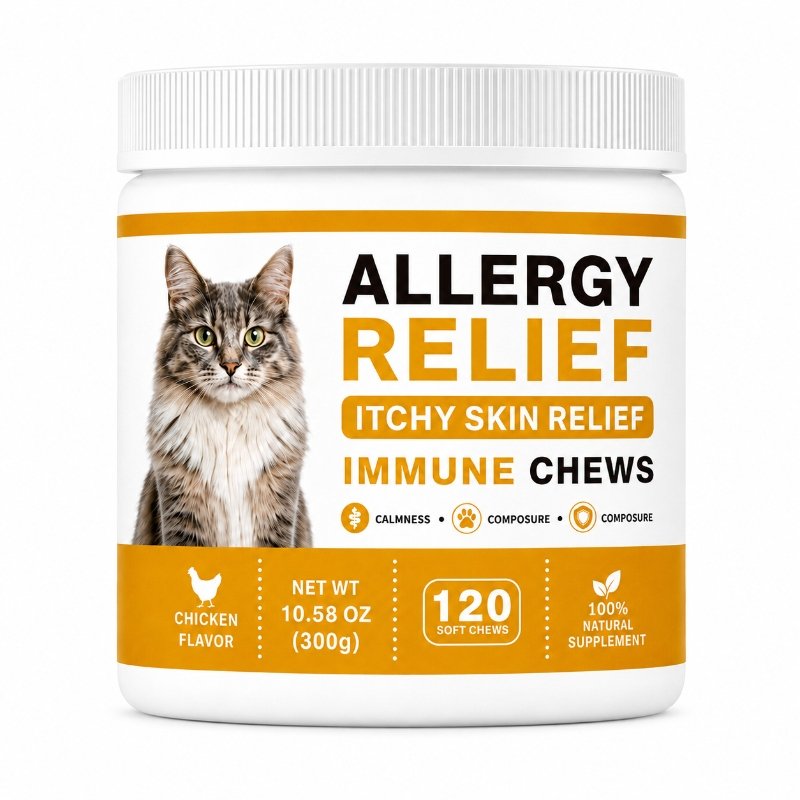
Define what counts as a change
Do not limit the discussion to the ingredient list on the front of a bottle. Build a change register covering formula composition, ingredient specifications, suppliers where relevant to the agreement, manufacturing parameters, product dimensions, fill quantity, container components and printed artwork. The level of notification should reflect the importance of each change and the parties’ agreement.
A revised marketing image is not the same as a revised formula. Keep product, packaging and artwork revision numbers distinct so that a photography update cannot accidentally authorize a manufacturing change.
Use a one-page change request
A useful request states the current revision, proposed revision, reason, affected models, requested implementation date and evidence needed before approval. Add the person responsible for each action. Avoid instructions such as use the latest version without identifying an actual file or specification.
- Describe exactly what will change and what will remain unchanged.
- List affected samples, packaging files and purchase orders.
- Record whether new samples or testing are proposed.
- Identify who has authority to approve the revision.
Review consequences before accepting the revision
Ask whether the proposed change could affect the product’s appearance, acceptance, declared information, supporting evidence or storage instructions. Have the relevant technical and market-specific reviewers assess the questions within their scope. A lower component cost does not by itself establish that the revised product is equivalent.
If a new sample is needed, label it with the revision under review. Compare it with an identified reference sample under a documented procedure. A favorable comment in a chat should not replace the written approval required by your project.
Plan the transition between old and new stock
Identify the first order and batch that will use the approved revision. Decide what happens to unused labels, packaging components and existing finished goods. Warehouse records should distinguish the versions when that distinction matters for customer service or stock management.
For example, a flavor revision might require a new sample decision while a container change may require a separate packing assessment. Treat these as linked actions with their own evidence, not as a single informal instruction to improve the product.
Check barcode and master-data implications
Some commercial changes also affect product identification. GS1’s declared net content rule states that a change to the legally required declared net content printed on a pack requires a new GTIN. Check applicable rules and retailer requirements before reusing an identifier; this example is not a complete barcode assessment.
Make the reorder brief explicit
When contacting PETJOY about an OEM reorder, provide the model, approved specification revision and packaging revision. Explore the current catalog for project starting points. Agree on revision responsibilities and notification expectations before confirming production, rather than assuming a previous order automatically defines every future detail.