
A barcode on a private label pet supplement bottle is both product data and a printed symbol. Approving the correct number is only part of the job. The finished label, material, print process and placement also need attention before a brand orders a large run of packaging. A barcode proof checklist helps separate these decisions and assign responsibility for each.
Verify the product identity first
Confirm that the proposed identifier belongs to the intended sellable configuration in the brand’s approved records. Match the formula, flavor, count and packaging version. An internal model or SKU is not a substitute for checking the identifier under the applicable allocation rules.
Keep the human-readable number, encoded data and master product record consistent. If there are retail units, multipacks or shipping cases, identify which packaging level each code represents rather than reusing a file without review.
Review the symbol in the complete artwork
Inspect the proof at its intended printed size. Look at available clear space, contrast, placement and the effect of the actual package shape. Do not approve a barcode only from a heavily enlarged screenshot. Ask the printer to confirm the applicable symbol specifications for the intended scanning environment.
GS1’s barcode quality checklist highlights symbol sizing and other common quality considerations. Use the relevant GS1 guidance and qualified printing support rather than inventing one set of dimensions for every type of code.
Distinguish a scan check from verification
A successful scan on one device is a useful functional observation, but it is not equivalent to a formal assessment of print quality. GS1 India’s barcode verification guidance explains that scanning alone does not guarantee performance across different scanners and environments.
Agree whether a verification report is needed, who will arrange it and which printed sample will be tested. A digital artwork check and a check of an actual printed label answer different questions. Keep both clearly identified if they are part of the project.
Check the label on the finished pack
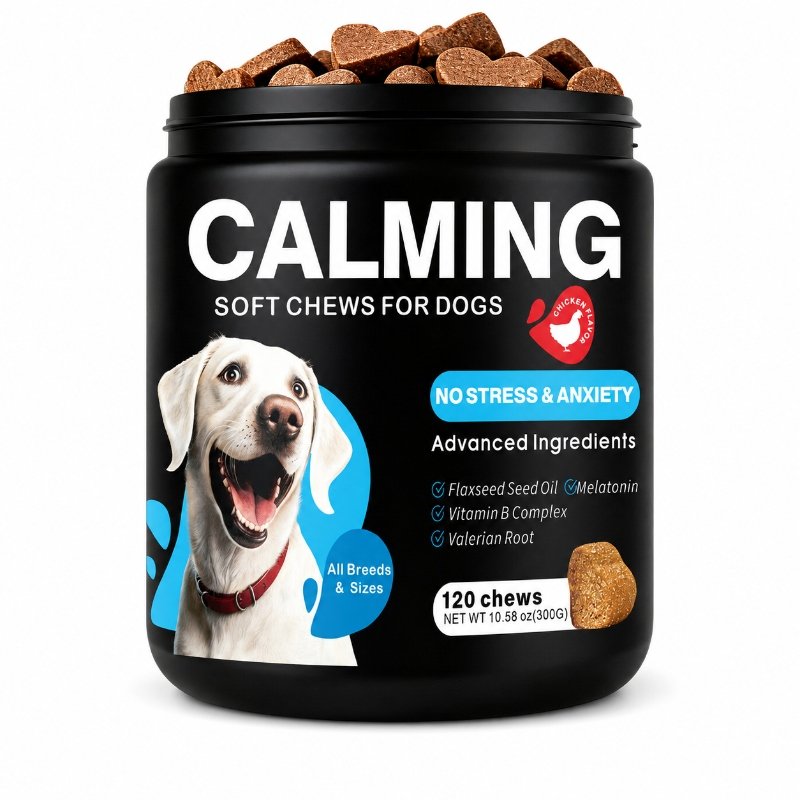
Apply the production-representative label to the proposed jar or pouch. Review whether a seam, curve, closure, crease or overlapping label could interfere with the symbol. Ask for a repeat review if the placement or material changes.
- Record the artwork revision and identifier reviewed.
- Identify the label material and printing configuration.
- Link any verification result to the sample actually assessed.
- Record corrections and approval before bulk printing.
Keep changes controlled
If a designer resizes the label, the barcode should be checked again within the revised layout. Do not stretch the symbol independently to fill a space. Confirm how the printer handles scale, resolution and placement in the final production file.
For a PETJOY packaging discussion, send the selected model, finished pack configuration and approved identifier data through our contact page. The catalog provides product starting points; barcode allocation, artwork responsibilities and verification arrangements need explicit project agreement.